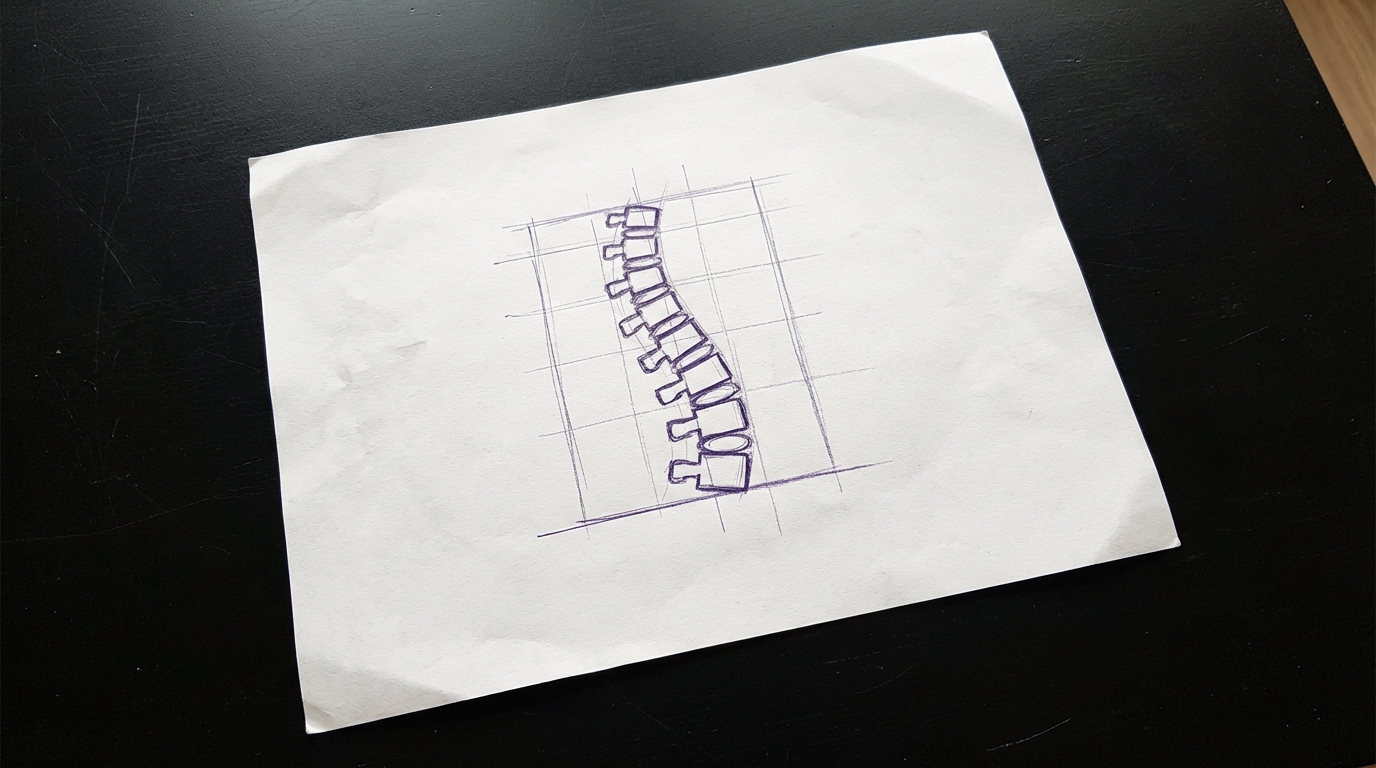
Adolescent Idiopathic Scoliosis (AIS) is a condition where the spine develops a sideways curve for unknown reasons during the teenage years. One common treatment for significant curves is a surgery called spinal fusion, in which spinal bones (vertebrae) are permanently joined together to correct the curve and stop it from worsening. After this surgery, physiotherapists and surgeons play a central part in helping adolescents gradually and safely get back to sports, exercise, and other physical activities.
Currently, there are no universally accepted, evidence-based guidelines for rehabilitation after spinal fusion surgery for AIS. This leads to a wide variety of different approaches being used around the world. This study was conducted to establish an international agreement among experts on two key questions: when it is safe for an adolescent to return to physical activity after surgery, and how they should go about doing it.
To achieve this, the researchers used a method called an electronic Delphi (e-Delphi) study. This is a structured process designed to reach a group agreement, or consensus, by having experts answer a series of questionnaires over several rounds. The experts in this study were surgeons and physiotherapists from around the world with specialized clinical or research experience in AIS.
The study consisted of three rounds. In the first round, experts answered broad, open-ended questions about post-surgery recovery. Their answers were used to create a list of specific statements. In the second round, the experts were first given a summary of existing scientific research on the topic. They then rated their level of agreement with each statement from round one using a 5-point scale (from "strongly agree" to "strongly disagree"). In the third and final round, participants were shown the group's anonymous results from the second round and asked to rate the statements again.
A statement was considered to have reached "consensus" if more than 75% of the experts rated it as "agree" or "strongly agree." After the final round, statistical tests were used to measure the strength of the agreement for all statements that reached this 75% threshold.
The study began with 53 experts from 18 different countries. Of these, 41 completed the first round, 32 completed the second, and 29 completed the third round (14 surgeons and 15 physiotherapists).
The first round produced 85 statements, which were grouped into 19 general themes. These themes covered topics such as a graded return to sports, key recovery milestones, different philosophical approaches to care, and specific treatment methods. In the second round, 63 statements across 9 broader themes achieved over 75% agreement. These themes included general considerations for patient care, the role of the multidisciplinary team (MDT)—a group of different healthcare professionals working together—physiotherapy treatments, care before surgery, the patient's hospital stay, and four distinct phases of rehabilitation after surgery.
Following the third round, 66 statements had reached over 75% agreement. Statistical analysis confirmed that this agreement was significant and unlikely to be due to chance. The analysis also showed that the experts' opinions were stable between the second and third rounds. An additional five recommendations were developed from comments made in the final round, addressing topics like specific types of post-surgery exercise, how rehabilitation should be provided, recovery timeframes, and the involvement of the MDT.
This study produced the first international consensus on returning to sports, exercise, and physical activity after spinal fusion surgery for AIS, resulting in a total of 71 agreed-upon statements and recommendations. However, when the researchers analyzed the responses from surgeons and physiotherapists separately, they found that while the surgeons were largely in agreement with one another, the opinions among the physiotherapists were more varied. This divergence suggests that further investigation into these recommendations is needed, particularly to understand the different perspectives within the physiotherapy community.